





Custom Private Museum Display Cases: Design, Security & Conservation Solutions
2026-06-29 05:38:01
Click:
“
Explore expert guidance on selecting and commissioning high-performance display cases for private museums — covering climate control, UV protection, anti-reflective glazing, security integration, and aesthetic customization tailored to residential or boutique institutional settings.
”
Designing Excellence: Custom Private Museum Display Cases for Discerning Collectors
Private museums—whether integrated into historic residences, contemporary estates, or purpose-built boutique galleries—demand display solutions that transcend conventional furniture. They require a precise convergence of conservation science, architectural integration, security engineering, and refined aesthetics. Custom private museum display cases are not mere enclosures; they are micro-environments engineered to preserve irreplaceable objects while elevating their narrative presence within intimate, high-stakes settings.
Climate Control & Conservation Integrity
Conservation-grade exhibit cases must actively regulate internal conditions—not just passively insulate. High-performance units incorporate hermetically sealed chambers with integrated passive buffering (e.g., silica gel-based humidity control) or active systems featuring miniature HVAC modules capable of maintaining ±2% RH and ±0.5°C stability, independent of ambient fluctuations. Sealing integrity is verified per ASTM E283 and ISO 14683 standards, ensuring air exchange rates below 0.1 ACH (air changes per hour). This level of precision safeguards organic materials—including ivory, parchment, textiles, and early photographs—against hydrolysis, oxidation, and biological degradation over decades.
Optical Clarity & UV Mitigation
Glass display cases for private collections prioritize both visual fidelity and preventive conservation. Laminated, low-iron float glass with anti-reflective (AR) coatings—applied via vacuum-deposition on both surfaces—delivers >99% light transmission and<0.5% 380='' surface='' eliminating='' distracting='' glare='' without='' compromising='' structural='' strength.='' all='' glazing='' incorporates='' uv-absorbing='' interlayers='' or='' nanocoatings='' blocking='' of='' ultraviolet='' radiation='' below='' nm.='' this='' dual-layer='' protection='' ensures='' artworks='' remain='' vivid='' and='' chemically='' even='' under='' controlled='' led='' illumination='' calibrated='' to='' cri=''>95 and CCT 3000–4000K.
Integrated Security Architecture
Secure display furniture must embed security at the system level—not as an afterthought. Custom museum cabinets integrate multi-point electromagnetic locks compliant with UL 2050, vibration-detection sensors aligned with EN 50131-3 Grade 3 specifications, and tamper-evident gasketing with concealed fasteners. Case frames are constructed from reinforced steel-reinforced aluminum extrusions or marine-grade stainless steel, anchored directly to structural walls or floors using seismic-rated anchoring systems. Optional biometric access logs, real-time environmental anomaly alerts, and encrypted communication protocols ensure full auditability and remote oversight—essential for high-value residential installations.
Aesthetic Integration & Bespoke Craftsmanship
True customization extends beyond dimensions and finishes—it encompasses contextual resonance. Whether echoing the patinated bronze detailing of a Beaux-Arts foyer or harmonizing with minimalist concrete interiors, private museum display cases are fabricated in collaboration with architects and interior designers. Cabinet substrates include FSC-certified hardwoods, anodized aluminum, powder-coated steel, or custom-composite panels matched to existing millwork. Interior linings utilize inert, low-VOC conservation foams and acid-free velvets, while lighting integrates seamlessly via recessed, dimmable linear LEDs with thermal management to prevent radiant heat transfer. Every joint, hinge, and reveal reflects artisan-level tolerances—typically ±0.3 mm—ensuring enduring elegance and functional longevity.
Commissioning Considerations for Residential & Boutique Settings
Unlike large institutional projects, private commissions demand agile project management, discreet site logistics, and phased commissioning. Leading providers offer full-service workflows: 3D laser scanning for spatial verification, non-invasive structural load analysis, climate modeling simulations, and on-site environmental baseline assessments. Documentation includes full conservation compliance reports, security certification dossiers, and digital twin records for future maintenance. Importantly, service agreements cover biannual calibration of sensors, filter replacement, seal integrity testing, and firmware updates—ensuring performance remains uncompromised across generations.
Investing in custom private museum display cases is an investment in legacy stewardship. When every element—from molecular-level humidity buffering to hand-finished joinery—is conceived with intention, these cases become silent curators: preserving authenticity, enabling contemplation, and affirming the profound responsibility of private collecting in the 21st century.
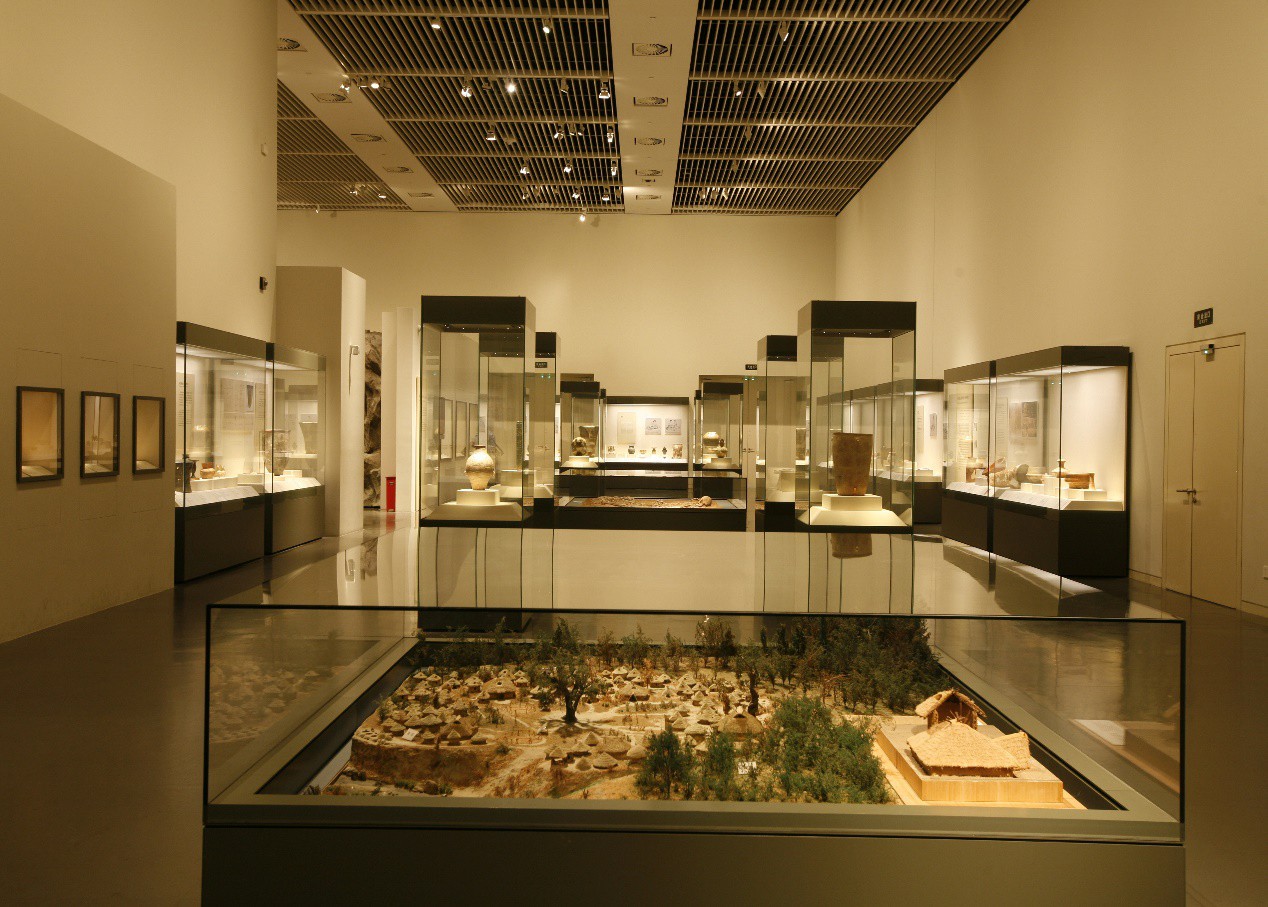
From:
Custom private museum display cases are not mere enclosures;









Prev : Integrating Smart Technology into Private Museum Display Cases
Next : Luxury & Functionality: Premium Materials in Bespoke Private Museum Display Cabinets
文章推荐

Shenzhen RuiCloneCity Exhibition Co., Ltd.
WhatsApp:
+86 13714228883
E-mail:
cenghuil98@gmail.com
Address:
No.1 Chuangye 3rd Rd, Hongtengyuan Sci-Park, Mapu Ind. Park, Fenggang, Dongguan, Guangdong
Copyright © 2026 Shenzhen RuiCloneCity Exhibition Co., Ltd. All Rights Reserved.
